
Creating a productive home office environment is essential for anyone working remotely or running a business from home. A well-designed workspace can improve focus, comfort, and efficiency, making it easier to separate professional tasks from personal life. Whether you have a dedicated room or just a corner of your living space, these tips will help you build a productive home office tailored to your needs.
Choose the Right Location
Finding the ideal spot for your home office sets the foundation for productivity. Consider a space with minimal distractions and good natural light. If possible, select a quiet area away from heavy foot traffic or noisy appliances. A separate room is best, but if that’s not available, a nicely organized corner can work just as well.
Invest in Ergonomic Furniture
Comfort is key when spending long hours working. An ergonomic chair with lumbar support helps maintain good posture and prevents back pain. Similarly, choose a desk that fits your height and allows enough space for your computer and other tools. Adjustable furniture, such as sit-stand desks, can also promote movement and reduce fatigue.
Optimize Lighting
Lighting affects both your productivity and well-being. Natural daylight is ideal because it reduces eye strain and boosts mood. Position your desk near a window if possible. For overcast days or evening work, use adjustable desk lamps that offer soft, yet bright illumination without glare on your screen.
Keep Technology Efficient and Organized
Ensure your computer, printer, and other technology function well and are set up for easy use. Invest in reliable internet connectivity to avoid disruptions. Organize cables neatly using clips, sleeves, or under-desk trays; tangled cords can create clutter and stress.
Declutter and Organize Your Space
A tidy workspace minimizes distractions and streamlines your workflow. Use shelves, filing cabinets, or storage bins to keep paperwork, supplies, and equipment organized but accessible. Regularly clear your desk of nonessential items to maintain focus.
Personalize for Comfort and Inspiration
Make your workspace inviting by adding personal touches like plants, artwork, or motivational quotes. A few well-chosen decorations can enhance your mood and help create a space that feels both professional and comfortable.
Establish Boundaries and Routine
Set clear work hours and communicate them to family or housemates to reduce interruptions. Starting your day with a consistent routine helps signal to your brain that it’s time to focus. Use task lists or digital planners to stay organized and prioritize responsibilities.
Incorporate Break Areas and Movement
Take regular breaks to stretch or walk around to prevent burnout and maintain energy levels. If possible, create a separate spot near your workspace for quick breaks or coffee. Movement supports mental clarity and overall health during long work sessions.
Control Noise Levels
If noise is an issue, consider noise-cancelling headphones or white noise machines. Soft background sounds like instrumental music or nature sounds can help some people concentrate better.
Ensure Proper Ventilation and Temperature
A comfortable room temperature and good airflow are often overlooked but important elements of a productive environment. Fresh air keeps you alert, while maintaining a moderate temperature reduces discomfort.
—
By thoughtfully setting up your home office with these tips, you can create a workspace that supports productivity and well-being. Remember that your home office should cater to your individual needs and preferences, so feel free to experiment until you find what works best for you. A productive environment is not just about efficiency—it’s about creating a pleasant place where you can do your best work every day.
Related Posts
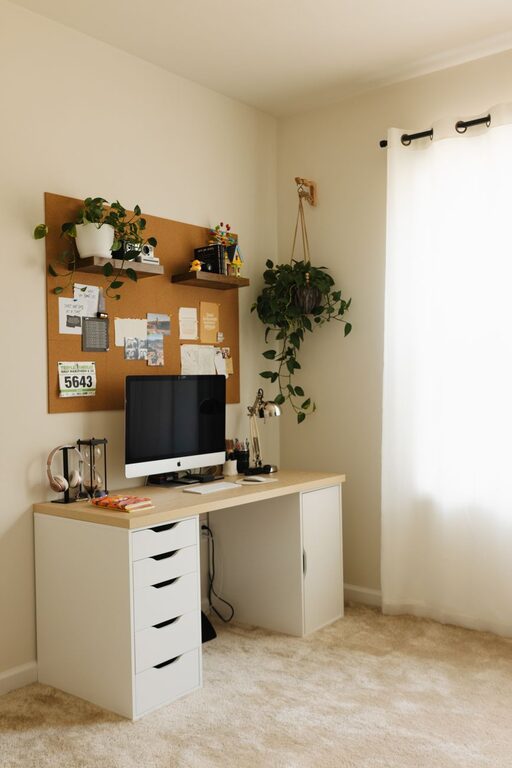
Tips for Creating a Cozy and Productive Home Office Space
Creating a cozy and productive home office is key to…
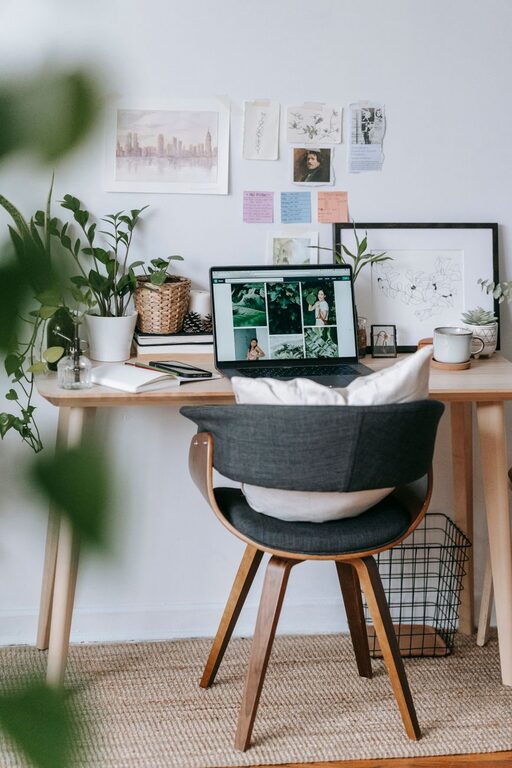
Tips for Creating a Cozy and Productive Home Office Space
Creating a home office that balances comfort and productivity can…

Tips for Creating a Relaxing Home Workspace to Boost Productivity
Creating a relaxing home workspace is essential for maintaining productivity…