
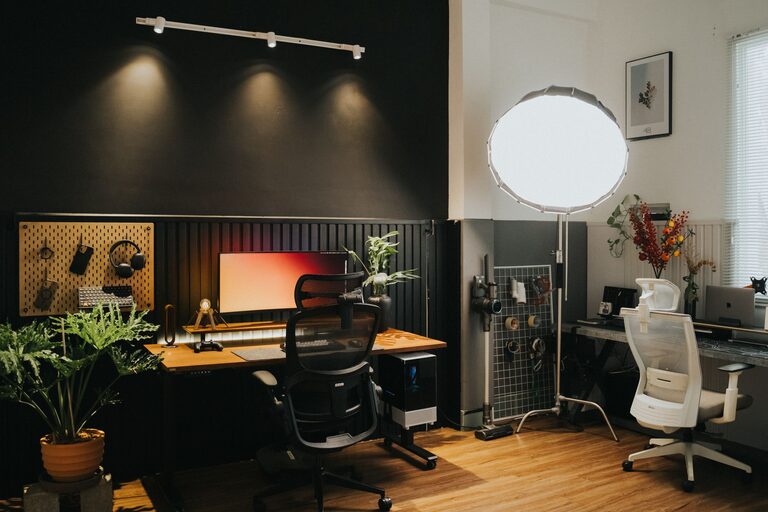
Creating a relaxing home workspace is essential for maintaining productivity and well-being, especially if you spend significant time working from home. A cluttered or uncomfortable environment can cause stress and reduce efficiency, while a well-designed space can help you stay focused and feel calm throughout the day.
In this post, we’ll explore practical tips to transform your home workspace into a relaxing and productive haven.
Why a Relaxing Workspace Matters
Before diving into the tips, it’s important to understand why your workspace environment plays such a big role in productivity. When your area feels peaceful and inviting, your brain is better able to concentrate. This reduces feelings of overwhelm and helps you tackle tasks more efficiently.
Additionally, a calm workspace can improve your mood, reduce work-related stress, and encourage a better work-life balance by clearly defining your professional zone.
Choose the Right Location
Find a Quiet Spot
Pick a space in your home where interruptions are minimal. Avoid high-traffic areas such as the kitchen or living room if possible. A quiet corner in a bedroom, spare room, or even a dedicated nook can work well.
Consider Natural Light
Natural lighting has been linked to improved mood and alertness. Position your desk near a window to take advantage of daylight. If this isn’t an option, choose soft, warm artificial lighting that isn’t harsh on the eyes.
Invest in Comfortable Furniture
Ergonomic Chair
Choosing a comfortable, ergonomic chair is key. It supports your posture and reduces physical strain, helping you stay comfortable during long work hours.
Suitable Desk
Select a desk that suits your needs and space. It should be large enough for your work essentials but not so big that it overwhelms the room.
Declutter and Organize
Keep Surfaces Clear
A tidy workspace reduces distractions and helps your mind focus. Keep only essential items on your desk, and store everything else neatly.
Use Storage Solutions
Use shelves, drawers, or organizers to keep stationery, documents, and gadgets out of sight but within reach.
Add Calming Elements
Incorporate Plants
Indoor plants bring life and improve air quality. They also have a calming effect that can reduce stress.
Choose Soothing Colors
Soft, neutral colors like pale blues, greens, or beige can create a peaceful atmosphere. You might consider painting the wall or adding decor in these tones.
Use Pleasant Scents
A subtle diffuser with essential oils like lavender or eucalyptus can promote relaxation without being overwhelming.
Manage Noise Wisely
Use Noise-Canceling Headphones
If you can’t control ambient noise, noise-canceling headphones can help you stay focused on your work.
Play Background Music
Some people find soft instrumental music or nature sounds helpful for concentration. Experiment to see what works best for you.
Personalize Your Space
Add Inspirational Items
Include photos, quotes, or artwork that motivate you and bring joy.
Keep a Water Bottle or Herbal Tea Nearby
Staying hydrated encourages alertness and adds a soothing break during work.
Set Boundaries and Routines
Define Your Working Hours
Having clear work hours helps separate your professional and personal life, which is important for mental well-being.
Take Regular Breaks
Step away from your desk every hour to stretch, breathe, or simply rest your eyes. This refreshes your focus.
Use Technology Wisely
Maintain a Clean Digital Workspace
Organize your computer desktop and files to reduce digital clutter.
Utilize Productivity Tools
Apps for task management or time tracking can help you stay on track without feeling overwhelmed.
Final Thoughts
Creating a relaxing home workspace requires thoughtful choices about location, furniture, organization, and atmosphere. Small adjustments can make a big difference in how calm and productive you feel throughout your workday. Take time to personalize your area, keep it clutter-free, and incorporate elements that bring peace and motivation. This will help you not only work more efficiently but also enjoy your time at home.
By intentionally crafting a space that supports relaxation and focus, you set yourself up for greater success and satisfaction in your work-from-home routine.
Related Posts

Tips for Creating a Cozy and Inviting Home Workspace
Creating a home workspace that feels cozy and inviting can…
Tips for Creating a Productive Home Office Space
Creating a productive home office space is essential for anyone…
Tips for Creating a Cozy and Productive Home Office Space
Creating a home office that is both cozy and productive…