
Creating a home office that balances comfort and productivity can transform your work-from-home experience. Whether you’re a full-time remote worker or someone who occasionally works from home, a well-designed workspace helps maintain focus and reduces stress. Here are practical tips to help you set up a cozy and efficient home office space.
Choose the Right Location
Finding the ideal spot for your home office is the first step. Consider these factors when selecting your workspace:
– Natural Light: Choose a space near a window to benefit from daylight, which can boost mood and energy.
– Privacy: Find a quiet corner or room where interruptions are minimal.
– Space: Ensure there’s enough room for your desk, chair, and any equipment you need.
– Ventilation: Fresh air helps keep you alert, so a well-ventilated area is important.
If space is limited, a dedicated nook or a corner with some creative partitioning can work as well.
Invest in Comfortable and Supportive Furniture
Your chair and desk are the foundation of a productive workspace. Here’s what to keep in mind:
– Ergonomic Chair: Choose a chair that supports your back and encourages good posture. Adjustable height and lumbar support are key features.
– Desk Height: The desk should be at a height where your arms rest comfortably without strain. Adjustable desks or standing desks add flexibility.
– Desk Size: Make sure the desk surface accommodates your laptop, monitor, and other materials without feeling cluttered.
Comfort reduces distractions and physical fatigue, so don’t skimp on these essentials.
Organize Your Workspace Efficiently
A tidy workspace promotes focus and reduces stress. Use these organizing tips:
– Storage Solutions: Use shelves, filing cabinets, or wall-mounted organizers to keep supplies in order.
– Declutter: Regularly clear your desk of unnecessary items. Keep only what you need.
– Cable Management: Use cable clips or trays to avoid tangled wires and maintain a neat appearance.
– Desk Accessories: Consider desk organizers for pens, notebooks, and other small items.
Keeping everything within easy reach but well-organized can save time and frustration.
Personalize Your Space for Comfort and Inspiration
Adding personal touches can make your office inviting and keep you motivated:
– Plants: Indoor plants improve air quality and create a calming atmosphere.
– Artwork or Photos: Choose images that inspire or relax you, but avoid overly distracting visuals.
– Lighting: Besides natural light, use adjustable task lighting. Soft white bulbs create a cozy environment.
– Textiles: Add cushions, throws, or rugs to soften the space and add warmth.
Balancing professionalism and personal comfort helps you feel at ease and focused.
Minimize Distractions
Reducing distractions is essential for productivity:
– Sound Control: Use noise-canceling headphones or white noise machines if ambient sounds distract you.
– Dedicated Work Periods: Communicate your work schedule with family or housemates to limit interruptions.
– Digital Detox: Turn off non-work related notifications during work hours.
– Clear Boundaries: If possible, avoid using the same space for leisure activities to train your brain to associate the space with work.
Creating a focused environment aids concentration and work output.
Optimize Technology and Connectivity
Reliable technology supports smooth work sessions:
– High-Speed Internet: Invest in a stable internet connection to avoid interruptions during video calls or downloads.
– Quality Equipment: Use a good quality webcam, microphone, and keyboard to improve comfort and communication.
– Multiple Monitors: Consider adding a second monitor to increase screen real estate, making multitasking easier.
– Backup Power: Have a UPS (uninterruptible power supply) for your computer in case of power outages.
Setting your technology up properly reduces stress and boosts efficiency.
Establish Routine and Ergonomics
A good workspace supports healthy habits:
– Posture: Sit with your feet flat on the floor, arms at a comfortable angle, and monitor at eye level.
– Breaks: Use techniques like the Pomodoro method to take regular short breaks, preventing burnout.
– Hydration and Movement: Keep water nearby and stretch or walk around periodically.
– Schedule: Set consistent work hours to create a routine, helping separate work life from home life.
Ergonomic habits and routines improve wellbeing over time.
Final Thoughts
Creating a cozy and productive home office space is about combining comfort, organization, and efficient design. By choosing the right location, investing in supportive furniture, personalizing your area, minimizing distractions, and embracing ergonomic practices, you set yourself up for success. Remember, your workspace should adapt to your needs and preferences — making it an enjoyable place to work will help you stay motivated and focused day after day.
Related Posts
Tips for Creating a Productive Home Office Space
Creating a productive home office space is essential for anyone…
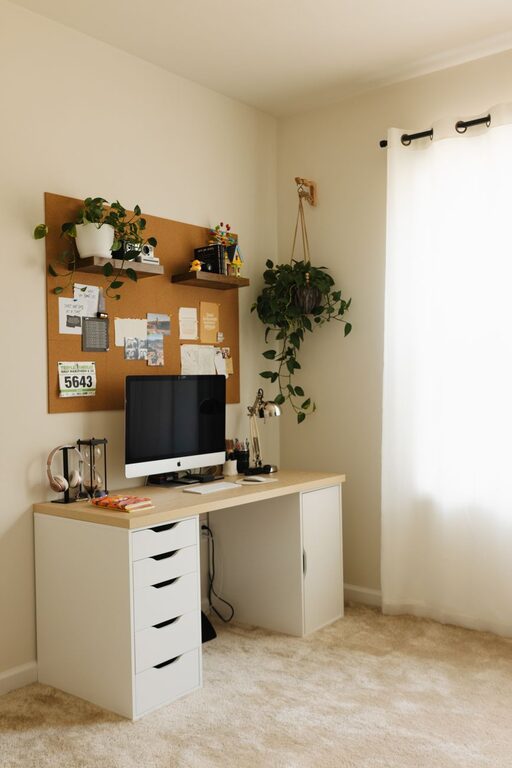
Tips for Creating a Cozy and Productive Home Office Space
Creating a cozy and productive home office is key to…
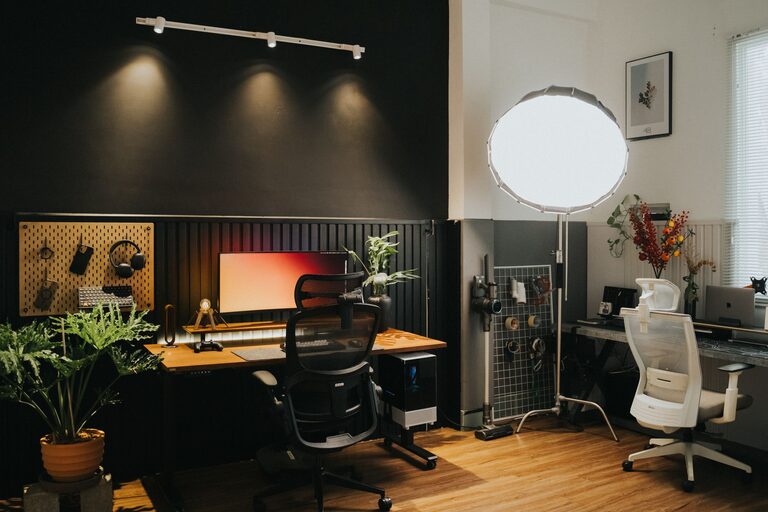
Tips for Creating a Cozy and Productive Home Office Space
Creating a home office that is both cozy and productive…